

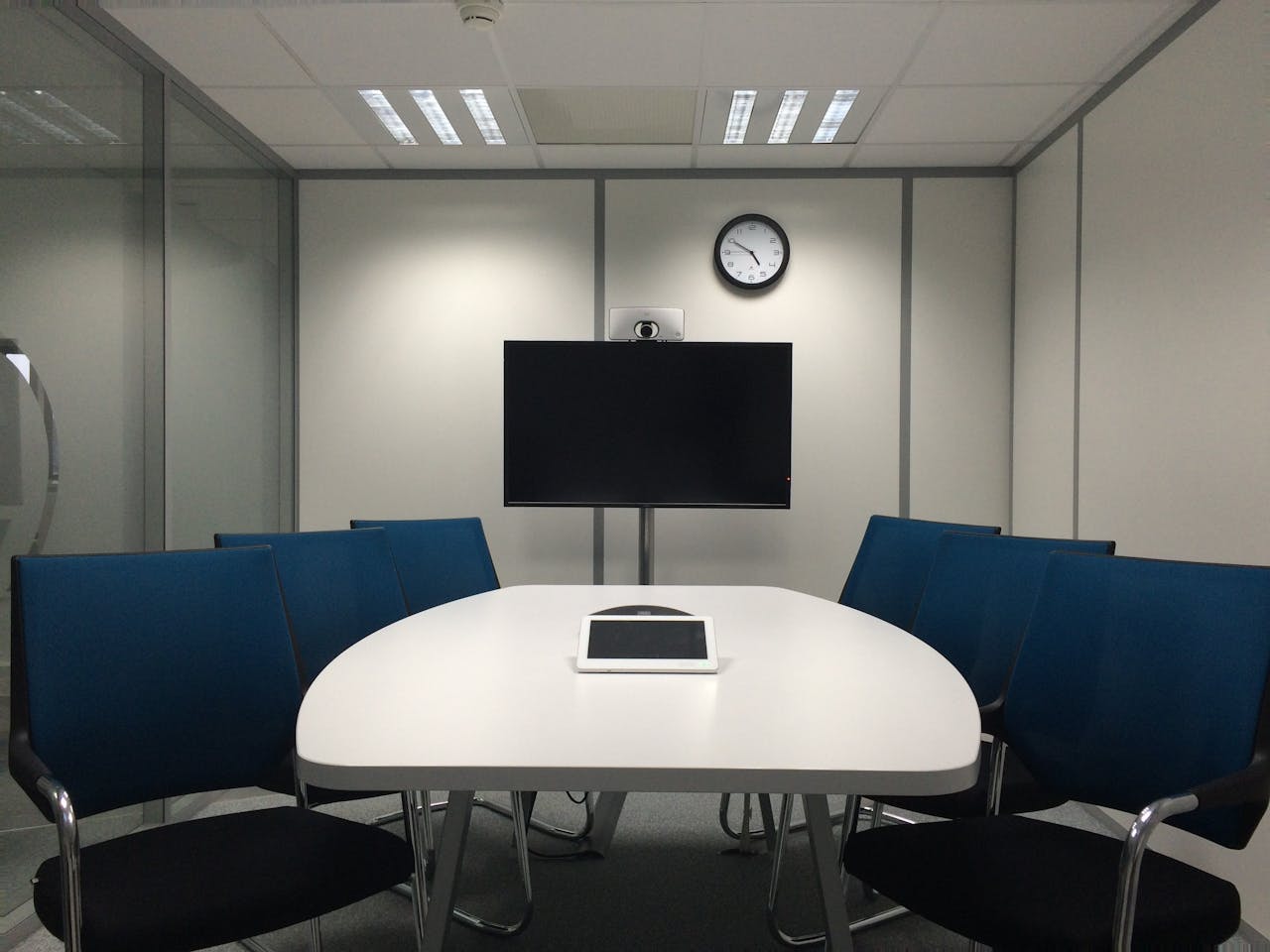
In this context, AV infrastructure is no longer a “nice to have” but a core operational requirement. Poorly integrated systems can lead to delays, miscommunication, and reduced meeting effectiveness, all of which have real business impact.
This is where the role of integrated technology becomes critical. A well-designed approach built around modern control systems helps unify multiple devices and platforms into a single, manageable ecosystem, improving reliability and consistency across every meeting.
What Centralised Control Means in a Modern Boardroom
Centralised control refers to the ability to manage all audiovisual and environmental technology from one unified interface. Instead of operating displays, audio equipment, video conferencing tools, lighting, and input sources separately, everything is coordinated through a single system.
This reduces complexity for users and ensures that meetings start smoothly without technical interruptions. It also reduces the need for specialised technical support during everyday use.
In a well-implemented setup, users can walk into a room, press one button, and have the entire environment configured automatically. Screens power on, inputs switch correctly, audio levels adjust, and conferencing platforms are ready to go.
This level of integration is particularly important in environments where time is valuable and meetings are tightly scheduled.
Why Consistency and Reliability Matter in Meeting Spaces
Inconsistent technology performance can quickly undermine productivity. When one room behaves differently from another, users spend unnecessary time troubleshooting instead of focusing on the meeting itself.
Standardisation across meeting spaces ensures that every room behaves predictably. This reduces learning curves and eliminates confusion, especially for employees moving between different offices or hybrid environments.
Reliable performance also strengthens confidence in digital collaboration tools. If systems fail frequently or behave unpredictably, users are more likely to avoid using advanced features altogether, limiting the return on investment in workplace technology.
A properly designed infrastructure built around integrated control systems ensures that every component communicates effectively, reducing points of failure and improving uptime across the board.
Improved Efficiency and Reduced Operational Risk
Efficiency in boardrooms is not just about speed; it is about reducing friction at every stage of a meeting. From setup to execution, every unnecessary step adds delay and increases the risk of disruption.
When systems are fragmented, even simple tasks like switching a presentation source or connecting a remote participant can require multiple steps. This increases cognitive load on users and creates opportunities for error.
With a centralised approach, these processes become streamlined. Automation handles repetitive tasks, while users interact with a simplified interface designed for clarity and ease of use.
Key efficiency improvements often include:
- Faster meeting setup with automated room configuration
- Reduced dependency on technical support for everyday use
- Fewer compatibility issues between devices and platforms
- Consistent user experience across multiple meeting rooms
- Simplified switching between in-person and remote collaboration modes
Beyond efficiency, risk reduction is another critical advantage. Misconfigured systems can lead to failed presentations, dropped calls, or audio issues during important discussions. These disruptions can affect decision-making and even external stakeholder perceptions.
When properly implemented, centralised platforms reduce these risks by ensuring all components operate within a controlled and tested environment.
Security, Governance, and Operational Oversight
As boardrooms increasingly handle sensitive corporate information, security considerations become essential. AV systems are no longer isolated tools; they are connected to broader IT ecosystems, networks, and cloud services.
Centralised management enables tighter control over access permissions, device configurations, and software updates. This reduces the likelihood of unauthorised access or misconfiguration.
It also supports better governance. Organisations can standardise policies across all meeting spaces, ensuring that security protocols are applied consistently.
Auditability is another key benefit. IT teams can monitor system usage, track performance issues, and identify potential vulnerabilities more effectively when systems are centrally managed.
In regulated industries or organisations with strict compliance requirements, this level of oversight is often necessary to meet internal and external standards.
Enhancing User Experience and Meeting Productivity
A major advantage of modern boardroom technology is the ability to improve the overall user experience. When systems work intuitively, users can focus on the content of the meeting rather than the tools being used.
A streamlined interface reduces confusion and allows employees to interact with technology confidently, even without technical training.
This becomes especially important in hybrid meetings, where in-room participants and remote attendees must collaborate seamlessly. Audio clarity, video quality, and content sharing all need to work together without manual intervention.
Well-designed environments ensure that:
- Participants can join meetings quickly with minimal setup
- Audio and video quality remain consistent throughout sessions
- Content sharing is intuitive and reliable
- Environmental settings such as lighting and displays adjust automatically
When these elements function cohesively, meetings become more productive and less fragmented. Decision-making improves because communication flows more naturally between participants.
Key Features Organisations Should Look For
When planning or upgrading boardroom technology, certain capabilities are essential to ensure long-term value and reliability.
A modern system should include:
- Unified control interface for all room technology
- Compatibility with major conferencing platforms
- Scalable architecture to support future expansion
- Remote monitoring and management capabilities
- Automated room configuration and scheduling integration
- Strong cybersecurity controls and user authentication options
These features ensure that the environment remains flexible and adaptable as business needs evolve. They also reduce the likelihood of costly replacements or major system overhauls in the future.
Another important consideration is ease of use. Even the most advanced systems must remain accessible to non-technical users. If a solution is too complex, adoption rates will suffer, limiting its effectiveness.
Common Challenges and How to Avoid Them
Despite the benefits, implementing integrated boardroom technology can present challenges if not carefully planned.
One common issue is overcomplication. Adding too many features or integrating incompatible systems can lead to instability. Simplicity in design often results in better long-term performance.
Another challenge is poor user training. Even the most advanced setup will fail to deliver value if users are not confident in operating it. Clear onboarding and intuitive design are essential.
Budget constraints can also lead to partial implementations, where only some systems are integrated. This can undermine the overall effectiveness and create fragmented workflows.
To mitigate these risks, organisations should focus on:
- Careful planning aligned with real operational needs
- Prioritising interoperability over feature overload
- Ensuring consistent user training and support
- Investing in scalable solutions that grow with the organisation
Maintenance is another often-overlooked factor. Without regular updates and monitoring, even well-designed systems can degrade over time. Proactive maintenance ensures continued performance and reduces unexpected downtime.
Building Future-Ready Boardrooms
The role of the boardroom is evolving rapidly. It is no longer just a physical meeting space but a hybrid collaboration hub that connects people across locations and time zones.
To support this shift, organisations need environments that are both flexible and reliable. Integrated technology platforms supported by advanced control systems provide the foundation for this transformation, enabling seamless communication while reducing operational complexity.
As digital collaboration continues to expand, the demand for intelligent, scalable, and user-friendly boardroom solutions will only grow. Organisations that invest in well-structured systems today are better positioned to adapt to future workplace demands without disruption.
A well-designed boardroom is ultimately about removing friction. When technology becomes invisible in use but powerful in function, meetings become more focused, efficient, and impactful.