

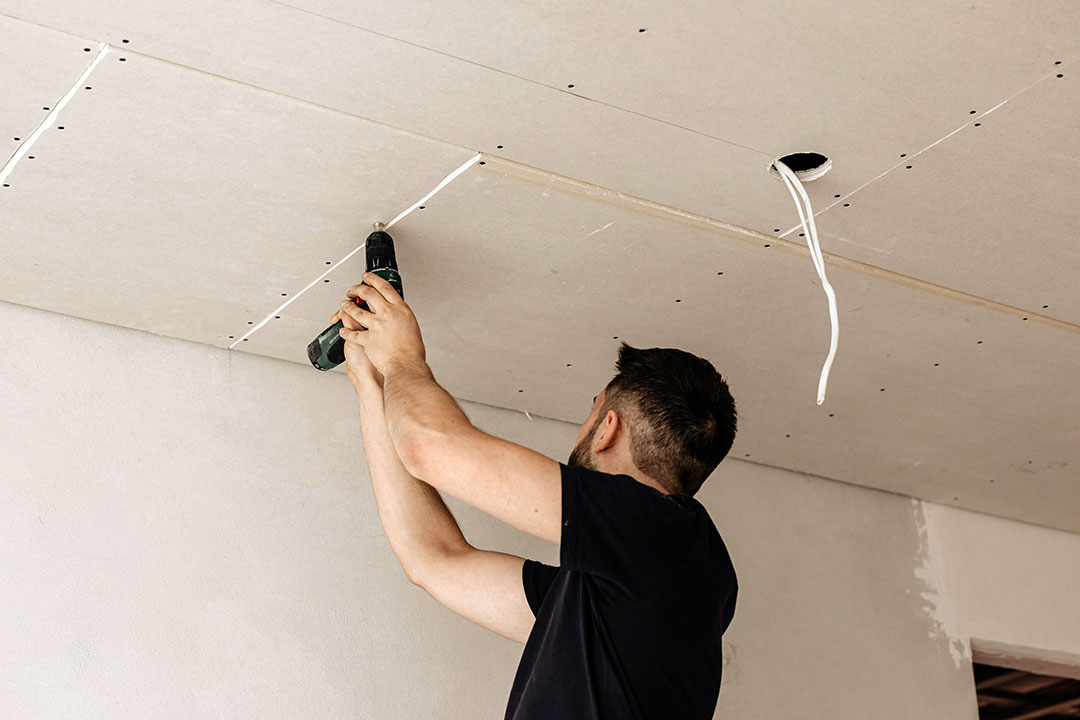
Ceilings play an important role in the appearance, comfort and safety of a property, but problems with them can sometimes be overlooked. A small crack, water mark or loose section may initially seem like a minor cosmetic issue. However, ceiling damage can sometimes point to moisture, structural movement, poor installation or another underlying problem that needs proper attention. Understanding when professional help is appropriate can prevent a small defect from becoming a more expensive repair.
Some ceiling issues are relatively straightforward, while others require specialist knowledge, suitable equipment and careful assessment. For example, a small surface imperfection may only require basic maintenance, whereas sagging boards or extensive water damage can create safety concerns. Property owners should therefore consider the cause, extent and location of the damage before deciding how it should be addressed. This is particularly relevant when arranging related services such as ceiling installation in Soweto, where existing ceiling conditions may need to be assessed before repair or replacement work begins.
Knowing the warning signs can make it easier to act at the right time. Prompt attention may help limit further damage, protect interior finishes and ensure that repairs are completed using appropriate materials and methods. When the problem is beyond basic maintenance, consulting a suitably experienced ceiling professional is generally the safer approach.
Signs That Your Ceiling Needs Attention
Ceiling problems can develop gradually, so regular visual checks are useful. Discolouration, cracking, peeling paint and changes in the surface texture may all indicate that something has changed. Not every mark means there is a serious defect, but unusual or worsening changes should not simply be covered with paint.
Water staining is one of the most common warning signs. A brown, yellow or otherwise discoloured patch may indicate that water has entered from a roof, plumbing system, bathroom, air-conditioning installation or another source. Even if the area eventually dries, the underlying cause should be identified before cosmetic repairs are carried out.
Cracks also deserve attention, particularly when they become wider, longer or more numerous. Fine surface cracks can occur for several reasons, including normal movement or changes in temperature and humidity. Larger cracks, recurring cracks or cracks accompanied by sagging should be assessed professionally.
Other signs that may justify an inspection include:
- Sections of the ceiling that appear lower than surrounding areas
- Loose or damaged boards
- Bubbling, peeling or flaking finishes
- Persistent dampness or musty odours
- Visible mould growth
- Cracks around ceiling joints
- Fixtures that appear loose or unstable
- Sounds of movement, creaking or deterioration
The key consideration is whether the problem is stable and cosmetic or whether it appears to be developing. A professional assessment can help distinguish between the two.
Why Water Damage Should Not Be Ignored
Water is particularly damaging to many ceiling materials. Repeated exposure can weaken boards, affect finishes and encourage mould growth. In some cases, the visible stain is only a small indication of a larger moisture problem above the ceiling.
A ceiling that has been affected by a leak may look acceptable once the surface dries, but drying does not necessarily resolve the source of the problem. If water continues to enter the area, newly repaired surfaces may deteriorate again.
The first priority should therefore be identifying and addressing the source of moisture. Depending on the situation, this could involve roof maintenance, plumbing repairs, waterproofing or another building-related service. Ceiling repairs performed before the moisture problem is resolved may only provide a temporary cosmetic improvement.
Professional attention is especially important where there is significant sagging, widespread staining or evidence that ceiling materials have become compromised. Attempting to remove or disturb heavily damaged sections without understanding their condition can create unnecessary risks.
When Cracks Require Professional Assessment
Not every ceiling crack requires major intervention. Some are superficial and may develop where boards meet or where materials naturally experience minor movement. However, the appearance and behaviour of the crack provide useful clues.
A crack that remains unchanged over a long period may be less concerning than one that continues to grow. Similarly, a single fine line may have a different cause from several large cracks appearing across the ceiling.
When assessing a crack, consider these factors:
- Check whether the crack is getting longer or wider.
- Look for additional cracks in nearby areas.
- Inspect whether the ceiling is sagging or uneven.
- Check for water staining or signs of dampness.
- Note whether doors, windows or other building elements have developed related movement issues.
- Arrange a professional inspection if the damage appears significant, recurring or difficult to explain.
A qualified contractor can assess the visible condition and determine whether straightforward patching is appropriate or whether further investigation is needed.
Sagging Ceilings Are a Clear Warning Sign
A ceiling should generally maintain a consistent, stable appearance. When a section begins to sag, bow or dip, it should not be treated as an ordinary cosmetic defect.
Sagging can have several possible causes. Moisture damage is one possibility, but inadequate support, damaged materials, ageing components or installation problems may also contribute. The correct repair depends on the underlying cause.
If a ceiling is visibly sagging, avoid placing additional weight on the affected area. Furniture, stored items or other objects should not be positioned directly beneath a visibly compromised section where they could interfere with access or increase potential risk.
Professional assessment is advisable because the visible sag may not reveal the full extent of the problem. A contractor can inspect the ceiling system and determine whether repair, partial replacement or more extensive work is appropriate.
When DIY Ceiling Repairs May Be Reasonable
Some minor maintenance tasks can potentially be handled by a property owner with suitable skills. Filling a small cosmetic crack, touching up paint or replacing a minor decorative component may be relatively simple when the underlying ceiling remains sound.
The important distinction is between surface maintenance and repairs that affect the ceiling’s stability or construction. If a task involves damaged boards, extensive moisture exposure, electrical fixtures, structural movement or difficult-to-access areas, professional assistance is more appropriate.
It is also important to use materials that are suitable for the existing ceiling system. Different ceiling types can have different installation and repair requirements. Using an unsuitable product may produce an inconsistent finish or fail to address the underlying issue.
Ceiling Damage Around Lights and Electrical Fixtures
Ceiling repairs sometimes involve areas around downlights, light fittings, fans or other electrical components. Extra care is needed in these situations because electrical systems may be located within the ceiling cavity.
A homeowner should not assume that a damaged area around a light fitting is purely cosmetic. Water entering near electrical components can create additional concerns, while movement around a fitting may indicate that the surrounding ceiling material needs attention.
Where electrical wiring or fittings may be affected, the appropriate qualified professional should be involved. Ceiling work and electrical work are separate areas of expertise, and repairs should be coordinated so that neither the ceiling nor the electrical installation is compromised.
How Professionals Approach Ceiling Repairs
A professional ceiling contractor will generally begin by assessing the visible condition rather than immediately covering the damaged area. This can help establish what caused the problem and what type of repair is appropriate.
The process may include inspecting cracks, checking for moisture damage, examining joints and supports, and determining the condition of surrounding materials. If the problem is localised, a targeted repair may be sufficient. More extensive damage may require replacement of part or all of the affected ceiling.
Good repair work should also consider the final appearance. A technically sound repair can still look uneven if the replacement material, joint treatment or finishing method does not match the existing ceiling.
For this reason, repairs should be planned according to the ceiling’s construction, the extent of the damage and the desired finished result.
Questions to Ask Before Hiring a Ceiling Contractor
Choosing a contractor should involve more than simply comparing the lowest quoted price. Ceiling work can affect the appearance and condition of an important part of a property, so it is useful to understand exactly what the proposed service includes.
Ask whether the contractor has experience with the type of ceiling installed at the property and whether they have dealt with similar damage before. It is also sensible to ask what they believe caused the problem, what materials will be used and whether additional work may be necessary.
A written quotation can make the scope of work clearer. It should ideally identify the main repair tasks, materials where relevant, labour and any exclusions. If the cause of damage has not yet been established, this should also be discussed before work begins.
Property owners may also wish to clarify:
- Whether damaged sections will be removed or repaired
- How the underlying cause will be addressed
- Whether painting or finishing is included
- How long the repair is expected to take
- Whether access equipment is required
- What happens if additional damage is discovered
- Whether workmanship is covered by a stated guarantee or warranty
Clear communication can reduce misunderstandings and make it easier to compare quotations from different contractors.
Why Early Repairs Can Prevent Bigger Problems
Delaying a ceiling repair does not necessarily make the problem more expensive, but unresolved damage can become more extensive over time. A small leak may continue affecting materials, while a recurring crack may become more noticeable or difficult to repair neatly.
Early inspection is particularly useful when the cause of the damage is unclear. Instead of repeatedly painting over stains or filling cracks that return, a professional can investigate the reason for the recurring problem.
For property owners planning renovations, early assessment can also help with project planning. If an existing ceiling is extensively damaged, replacement may be more practical than repeated repairs. In other cases, targeted repairs may be enough to restore the ceiling without unnecessary work.
Choosing Between Repair and Replacement
Repair is often suitable when damage is limited and the surrounding ceiling remains in good condition. Replacement may be considered when materials are extensively damaged, the ceiling has deteriorated over a large area or repeated repairs are no longer practical.
The decision should take the condition of the existing installation into account rather than relying solely on the visible defect. A small damaged patch may be repairable, but widespread moisture exposure could mean that surrounding materials also need inspection.
Budget is naturally an important consideration, but durability should also be taken into account. A low-cost repair that fails repeatedly may ultimately cost more than addressing the underlying issue properly.
Regular Ceiling Checks Can Help Identify Problems Early
Ceilings do not usually require constant attention, but occasional inspections can help property owners notice changes before they become more difficult to manage. This is especially useful after heavy rainfall, plumbing problems or other incidents that could introduce moisture into the ceiling cavity.
Look at ceilings in different rooms and pay attention to areas around bathrooms, kitchens and roof spaces. Check for new stains, cracks, uneven sections or changes in surface texture. If something appears to be worsening, recording when the change was first noticed can also help a contractor understand how the problem has developed.
Professional advice is most valuable when the cause or severity of the damage is uncertain. Rather than treating every ceiling defect as an emergency, property owners can consider the type of damage, whether it is changing and whether there are signs of moisture or instability.
A ceiling is an important part of a property’s interior, and visible damage should not automatically be dismissed as a cosmetic issue. Small defects can sometimes be repaired relatively easily, while recurring stains, significant cracks, sagging areas and widespread damage deserve professional assessment. Addressing problems at an early stage can help protect the ceiling, improve the finished appearance and reduce the likelihood of repeated repairs.
For homeowners considering repairs, renovations or a new ceiling, obtaining a clear assessment of the existing structure is a useful first step. The right solution depends on the cause and extent of the damage, the condition of the existing materials and the requirements of the property.